Focus on carbon equipment
Focus on carbon equipment


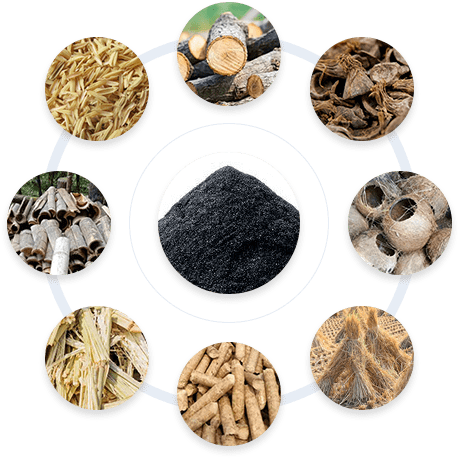
In the carbonization machine charcoal industry, the regional attributes of raw materials are not only the production basis, but also the key factor in shaping the core competitiveness of products. The abundant palm shell and coconut shell resources in tropical regions can generate high-quality activated carbon with uniform pore size distribution after high-temperature carbonization due to their natural characteristics of high density and low ash. This type of charcoal is very popular in the industrial purification market of Japan and South Korea, and its selling price is more than 40% higher than that of ordinary charcoal. By establishing a processing line exclusive to the raw material production area and controlling the transportation radius within 50 kilometers, the company can maximize the advantages of raw material properties and reduce logistics losses.

The temperate agricultural area presents a different industrial landscape: although raw materials such as corn cobs and fruit branches have medium calorific value, they are rich in minerals such as potassium and calcium, and can form unique burning flavor characteristics under slow carbonization technology. Targeting the booming outdoor consumer market in China, this type of charcoal can create differentiated concepts such as "fruit wood fragrance charcoal" and "original warm charcoal", and achieve premium sales through e-commerce channels. The recycling of waste wood in the coastal industrial belt has opened up another path to reduce costs and increase efficiency - removing pollutants such as paint and adhesives through carbonization process, converting them into carburizing agents required for steel smelting, and establishing a stable B-end supply chain among industrial customer groups.
The development of regional raw materials requires grasping three principles: in-depth analysis of the characteristics of local biomass resources, building a dedicated process system, and accurately targeting the target market. This triangular model of "localized production-professional upgrading-global sales" is reshaping the regional competition landscape of the mechanism charcoal industry.
If you are interested in our equipment, please contact us.
We are delighted to announce that Dingli Group will be participating in the upcoming PalmEX to be held in Jakarta, Indonesia.
A continuous biomass carbonization plant is an innovative solution for transforming agricultural residues and forestry waste into renewable energy products. By utilizing pyrolysis technology, the plant converts organic materials into biochar, combustible
Agricultural waste recycling has become a critical component of modern environmental management. A biomass continuous carbonization machine transforms crop residues into valuable biochar, providing a sustainable alternative to open burning and landfill di
A continuous biochar production line combining carbonization and pyrolysis technology represents a modern approach to biomass processing. Continuous carbonization equipment functions as the core unit within this system, ensuring stable throughput and cons