Focus on carbon equipment
Focus on carbon equipment


The Malaysia EFB Pellet Carbonization Project has officially entered the production stage, delivering a stable processing capacity of 2 tons per hour. The project aims to provide a professional solution for the conversion of EFB pellets into biomass charcoal.

The system adopts continuous carbonization technology with automatic feeding and gas recycling design, ensuring low energy consumption and steady operation. By reusing the combustible gas generated during carbonization, the project effectively reduces fuel costs and carbon emissions.
Through this project, large quantities of oil palm waste are transformed into clean and marketable charcoal products, creating new profit opportunities for local enterprises.
The successful implementation of this 2T/H EFB Pellet Carbonization Project in Malaysia highlights our commitment to delivering high-efficiency biomass carbonization solutions worldwide.
We are delighted to announce that Dingli Group will be participating in the upcoming PalmEX to be held in Jakarta, Indonesia.
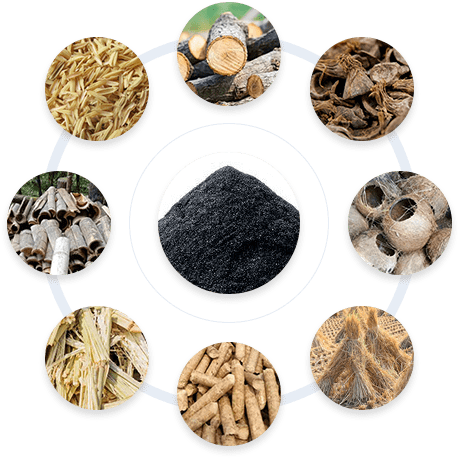
A continuous biomass carbonization plant is an innovative solution for transforming agricultural residues and forestry waste into renewable energy products. By utilizing pyrolysis technology, the plant converts organic materials into biochar, combustible
Agricultural waste recycling has become a critical component of modern environmental management. A biomass continuous carbonization machine transforms crop residues into valuable biochar, providing a sustainable alternative to open burning and landfill di
A continuous biochar production line combining carbonization and pyrolysis technology represents a modern approach to biomass processing. Continuous carbonization equipment functions as the core unit within this system, ensuring stable throughput and cons