Focus on carbon equipment
Focus on carbon equipment


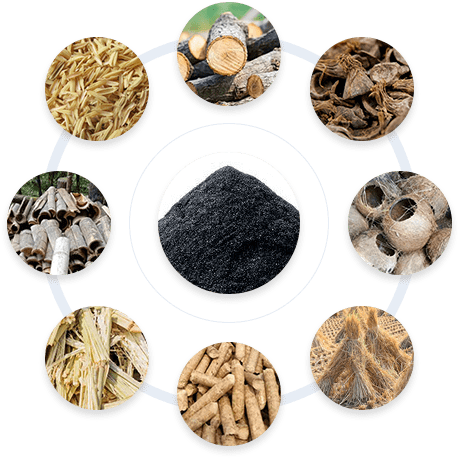
The modern Carbonization Machine is revolutionizing how we process wood waste, turning a disposal problem into an environmental solution. But how does this sophisticated equipment actually function? At its core, it harnesses the ancient science of pyrolysis within a precisely engineered, closed system.
1.From Chip to Char.Wood chips enter an airtight chamber within the Carbonization Machine, ensuring minimal oxygen entry – the critical factor preventing ash-producing combustion.

2.Indirect Heating & Pyrolysis: Heat is applied indirectly (often via recycled syngas or external burners) raising the temperature inside the chamber to 400-700°C. In this oxygen-starved environment, carbonization occurs: wood undergoes thermal decomposition, releasing volatile gases and vapors while the solid structure transforms.
3.Syngas Management: The released volatile compounds (wood vinegar, tar, combustible syngas) are channeled out. Advanced Carbonization Machines clean and then typically combust this syngas in a dedicated system. This combustion generates the heat needed to sustain the pyrolysis process, creating a highly efficient, often self-fueling loop.
4.Biochar Formation & Cooling: As volatiles depart, the remaining carbon skeleton solidifies into biochar. Before discharge, the Carbonization Machine carefully cools this char within an inert atmosphere to prevent oxidation and ensure stability.
The brilliance of the Carbonization Machine lies in its control. Precise regulation of temperature, residence time, and oxygen exclusion optimizes biochar yield and properties (surface area, pore structure, carbon content). This control maximizes carbon sequestration potential and ensures a consistent, valuable end product.By efficiently converting wood chips into stable biochar, the Carbonization Machine provides a powerful tool for climate mitigation (locking carbon away), sustainable agriculture (soil enhancer), and resource recovery. It epitomizes turning low-value biomass into "black gold" for a greener future.
We are delighted to announce that Dingli Group will be participating in the upcoming PalmEX to be held in Jakarta, Indonesia.
A continuous biomass carbonization plant is an innovative solution for transforming agricultural residues and forestry waste into renewable energy products. By utilizing pyrolysis technology, the plant converts organic materials into biochar, combustible
Agricultural waste recycling has become a critical component of modern environmental management. A biomass continuous carbonization machine transforms crop residues into valuable biochar, providing a sustainable alternative to open burning and landfill di
A continuous biochar production line combining carbonization and pyrolysis technology represents a modern approach to biomass processing. Continuous carbonization equipment functions as the core unit within this system, ensuring stable throughput and cons