Focus on carbon equipment
Focus on carbon equipment


A properly maintained sawdust carbonization machine can run at its peak for more than ten years and continuously output its core advantages. The key is to integrate maintenance into the entire daily production process:
Raw materials and operating specifications: Wet materials are the "invisible killer" of equipment! Raw materials must be pre-dried to a humidity below 14% to prevent adhesion, blockage and internal corrosion. During operation, feed evenly, overload operation is strictly prohibited, and the machine is shut down every 8 hours to cool the bearings to avoid high-temperature deformation-these details can extend the life of the whole machine by 30%.

Precise lubrication: The wear of bearings and gears directly determines the survival of the equipment. Add high-temperature resistant grease to the rotating bearings every week, and replace the gearbox special oil every six months. When filling oil, make sure the nozzle is clean and the seal is intact to block the dust intrusion channel. Remember: 70℃ is the safety red line of the bearing, and overtemperature must be checked!
Dynamic inspection: Fasteners. Vibration can easily cause screws and belts to loosen, so they must be inspected every week; wearing parts. The thickness of the pressure roller and the rolling roller is measured regularly, and they are replaced immediately if the wear exceeds 10%; carbon deposit cleaning. After shutdown, the residual carbon residue is completely removed to avoid hardening of worn parts.
Maintenance is the invisible engine of productivity! Invest one point in maintenance cost and reap ten points in operating benefits - let your carbonizer always become a lever to pry green wealth over the years.
We are delighted to announce that Dingli Group will be participating in the upcoming PalmEX to be held in Jakarta, Indonesia.
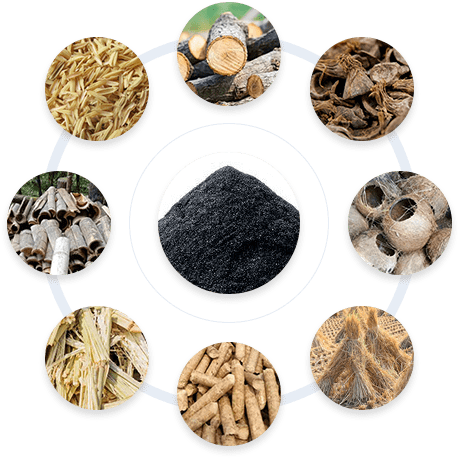
A continuous biomass carbonization plant is an innovative solution for transforming agricultural residues and forestry waste into renewable energy products. By utilizing pyrolysis technology, the plant converts organic materials into biochar, combustible
Agricultural waste recycling has become a critical component of modern environmental management. A biomass continuous carbonization machine transforms crop residues into valuable biochar, providing a sustainable alternative to open burning and landfill di
A continuous biochar production line combining carbonization and pyrolysis technology represents a modern approach to biomass processing. Continuous carbonization equipment functions as the core unit within this system, ensuring stable throughput and cons