Focus on carbon equipment
Focus on carbon equipment


Smoke pouring from a wood carbonizer is more than an eyesore; it’s a signal of inefficiency and potential hazard. Today’s leading wood carbonization machines redefine the process, achieving reliable smoke-free production that prioritizes safety, cleanliness, and operational excellence.

This transformation hinges on integrated smoke suppression technology. By employing sealed reactor designs and intelligent afterburner systems, these advanced machines capture and thermally destroy smoke-producing compounds at their source. The complex gases generated during carbonization are meticulously oxidized within the unit, converting them into harmless emissions and recoverable thermal energy.
The operational benefits are clear and immediate. Eliminating smoke drastically improves on-site air quality, creating a significantly safer environment for personnel by reducing respiratory risks and fire hazards. Maintenance requirements are often reduced as corrosive tars and soot are minimized. The process becomes cleaner, more predictable, and inherently more user-friendly, simplifying management.
Modern smoke-free wood carbonization machines represent the new standard. They deliver not just superior charcoal, but also unparalleled operational reliability, enhanced safety, and demonstrable environmental responsibility, securing a competitive advantage for forward-thinking producers.
We are delighted to announce that Dingli Group will be participating in the upcoming PalmEX to be held in Jakarta, Indonesia.
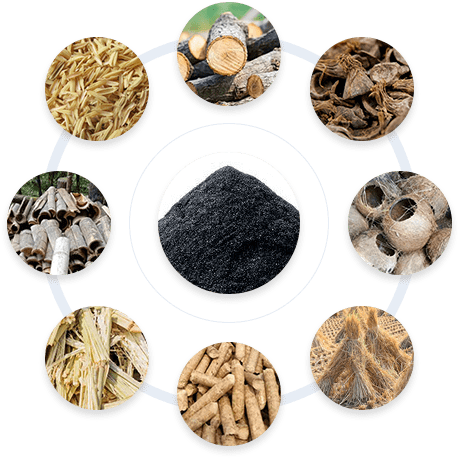
A continuous biomass carbonization plant is an innovative solution for transforming agricultural residues and forestry waste into renewable energy products. By utilizing pyrolysis technology, the plant converts organic materials into biochar, combustible
Agricultural waste recycling has become a critical component of modern environmental management. A biomass continuous carbonization machine transforms crop residues into valuable biochar, providing a sustainable alternative to open burning and landfill di
A continuous biochar production line combining carbonization and pyrolysis technology represents a modern approach to biomass processing. Continuous carbonization equipment functions as the core unit within this system, ensuring stable throughput and cons