Focus on carbon equipment
Focus on carbon equipment


In the wave of resource recycling, carbonizers are playing an increasingly important role. They are not only environmentally friendly waste treatment equipment, but also generators of economic value. Faced with the core choice of "batch" versus "continuous," understanding their essential differences is crucial for finding the most efficient, customized solution.

Batch carbonizers are easy to operate and highly adaptable. They allow for flexible adjustments after each production cycle, making them ideal for experimenting with the carbonization of various materials or fulfilling small batch, high-variety production orders. They are a robust and intelligent choice for companies that prioritize production flexibility and initial investment control.
Continuous carbonizers are the powerhouses of industrial, large-scale production. They automate the entire process, from loading and carbonization to cooling and discharging, significantly improving production efficiency and product consistency. For large-scale projects pursuing maximum output and minimizing manual intervention, they are the ideal choice for enhancing core competitiveness.
The key to your decision ultimately depends on your definition of "efficiency." Is it production flexibility or sheer output? No matter what your answer is, we can provide you with a carbonizer that can maximize your resource advantages and help you move forward steadily on the road to a green economy.
We are delighted to announce that Dingli Group will be participating in the upcoming PalmEX to be held in Jakarta, Indonesia.
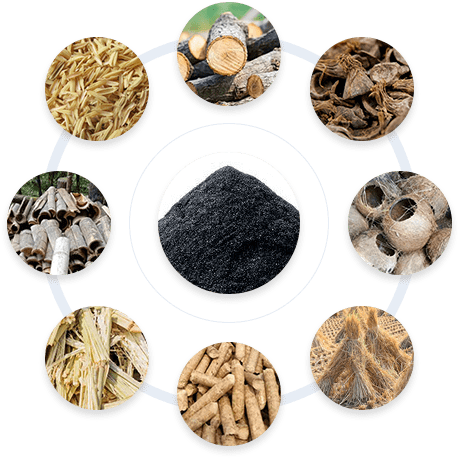
A continuous biomass carbonization plant is an innovative solution for transforming agricultural residues and forestry waste into renewable energy products. By utilizing pyrolysis technology, the plant converts organic materials into biochar, combustible
Agricultural waste recycling has become a critical component of modern environmental management. A biomass continuous carbonization machine transforms crop residues into valuable biochar, providing a sustainable alternative to open burning and landfill di
A continuous biochar production line combining carbonization and pyrolysis technology represents a modern approach to biomass processing. Continuous carbonization equipment functions as the core unit within this system, ensuring stable throughput and cons