Focus on carbon equipment
Focus on carbon equipment


A piece of premium barbecue charcoal is the product of an artistic union of temperature and time. The carbonizer is this precise artist, forging natural wood into a perfectly heated barbecue product through a highly efficient process.

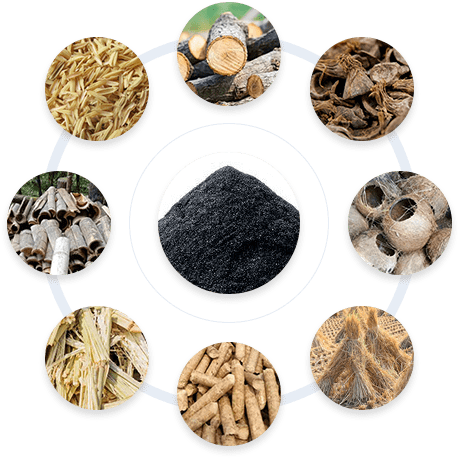
The entire process begins with meticulous selection of raw materials. Once the appropriate wood is fed into the carbonizer, the high-temperature, oxygen-deficient environment gradually drives away volatile compounds and moisture. This is more than a simple combustion; it involves a profound decomposition and reorganization process, transforming wood fibers into pure carbon.
The core advantage of the carbonizer lies in its exceptional control. It ensures uniform and thorough carbonization, resulting in each piece of charcoal possessing an exceptionally high carbon content and minimal residual moisture. This is the fundamental reason why premium barbecue charcoal burns smokelessly and produces a rich, intense heat.
The result is a lustrous, black, and uniformly structured piece of charcoal. Not only are they easy to ignite, they also provide long-lasting, high, and even heat output, allowing every griller to master the heat with ease and give food the ultimate charred flavor.
We are delighted to announce that Dingli Group will be participating in the upcoming PalmEX to be held in Jakarta, Indonesia.
A continuous biomass carbonization plant is an innovative solution for transforming agricultural residues and forestry waste into renewable energy products. By utilizing pyrolysis technology, the plant converts organic materials into biochar, combustible
Agricultural waste recycling has become a critical component of modern environmental management. A biomass continuous carbonization machine transforms crop residues into valuable biochar, providing a sustainable alternative to open burning and landfill di
A continuous biochar production line combining carbonization and pyrolysis technology represents a modern approach to biomass processing. Continuous carbonization equipment functions as the core unit within this system, ensuring stable throughput and cons