Focus on carbon equipment
Focus on carbon equipment


Amidst the global wave of promoting renewable energy, biomass pellet torrefaction and carbonization machines have become crucial equipment for driving the development of the green energy industry. By torrefying and carbonizing biomass pellets, these machines improve their calorific value, combustion efficiency, and physical stability, thereby enhancing the overall quality of biomass fuel.

The torrefaction process effectively reduces the moisture content of the pellets, making them easier to store and transport; the carbonization process further improves their energy utilization efficiency. The resulting carbonized pellets can be used as high-efficiency fuel in industrial boilers, power generation systems, and clean heating applications. For companies requiring a stable fuel source, this type of equipment offers significant economic and environmental benefits.
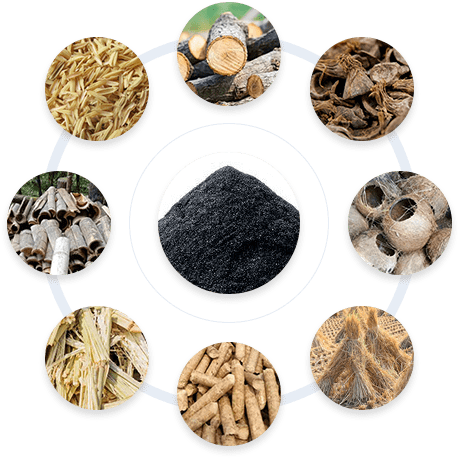
From a supply chain perspective, biomass pellet torrefaction and carbonization machines promote the large-scale utilization of agricultural and forestry waste. Large quantities of raw materials are processed into high-value carbon materials, not only reducing waste accumulation but also promoting regional green economic development. Especially in resource-rich areas, introducing torrefaction and carbonization equipment can effectively improve industrial efficiency.
In the future, with the increasing demand for clean energy and the deepening of environmental protection policies, biomass pellet torrefaction and carbonization machines will continue to develop towards higher efficiency and intelligence, bringing more possibilities to the renewable energy sector.
We are delighted to announce that Dingli Group will be participating in the upcoming PalmEX to be held in Jakarta, Indonesia.
A continuous biomass carbonization plant is an innovative solution for transforming agricultural residues and forestry waste into renewable energy products. By utilizing pyrolysis technology, the plant converts organic materials into biochar, combustible
Agricultural waste recycling has become a critical component of modern environmental management. A biomass continuous carbonization machine transforms crop residues into valuable biochar, providing a sustainable alternative to open burning and landfill di
A continuous biochar production line combining carbonization and pyrolysis technology represents a modern approach to biomass processing. Continuous carbonization equipment functions as the core unit within this system, ensuring stable throughput and cons