Focus on carbon equipment
Focus on carbon equipment


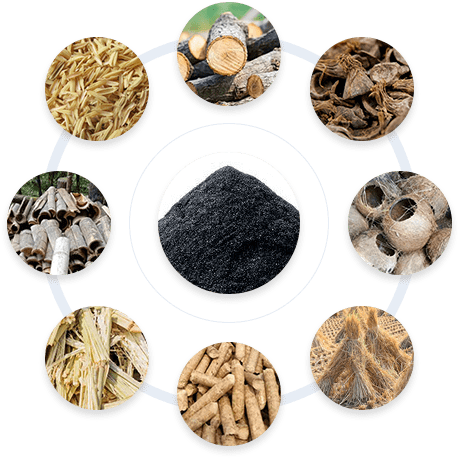
The weather is now cold and coal burning is prohibited. It takes a long time to burn charcoal in an earth kiln, and if the technology is not good, it may not be able to be fired. The emergence of the carbonization furnace replaced the earth kiln for burning charcoal. The new internal combustion carbonization furnace not only simulates the method of burning charcoal in an earth kiln, but also saves time and is environmentally better than that in an earth kiln.

The correct use of internal combustion carbonization furnace;
1: There is a square charcoal burning port at the lower end of the internal combustion carbonization furnace. After the furnace body is filled with wood, you only need to add a small amount of wood below to ignite it. After ignition, you can close the furnace door and let it burn by itself.
2: The internal combustion carbonization furnace uses carbonization to burn charcoal. The internal combustion carbonization furnace cannot ignite all wood. It can only ignite a part of the wood, mix the air and fuel together, and then ignite the air and fuel mixture through an ignition device to generate heat. The heat is generated while drying the wood. The heat after drying increases with the temperature. Slowly increase the temperature to char the wood.
3: The internal combustion carbonization furnace not only saves fuel, but also saves manpower. The service life of the furnace body is extended. Because the ignition port is on one side of the furnace body, it is not in direct contact with the furnace body, which can extend the service life.
If local environmental protection requirements are strict, a flue gas purification device can also be added, so that charcoal can be produced more safely.
We are delighted to announce that Dingli Group will be participating in the upcoming PalmEX to be held in Jakarta, Indonesia.
A continuous biomass carbonization plant is an innovative solution for transforming agricultural residues and forestry waste into renewable energy products. By utilizing pyrolysis technology, the plant converts organic materials into biochar, combustible
Agricultural waste recycling has become a critical component of modern environmental management. A biomass continuous carbonization machine transforms crop residues into valuable biochar, providing a sustainable alternative to open burning and landfill di
A continuous biochar production line combining carbonization and pyrolysis technology represents a modern approach to biomass processing. Continuous carbonization equipment functions as the core unit within this system, ensuring stable throughput and cons