Focus on carbon equipment
Focus on carbon equipment


Technology is developing, and lithium batteries are indispensable for the mobile phones or new energy vehicles we use in our daily lives. So how much harm can used lithium batteries cause to the social environment?
Waste batteries contain many heavy metals and electrolytes. These heavy metals and electrolytes will penetrate into the soil and groundwater, causing great harm to the ecological environment. Moreover, these heavy metals cannot degrade by themselves in nature and can only migrate. Once migrated, Entering water bodies or soil will cause water and soil pollution, thereby preventing the water bodies and soil's own purification capabilities from being reflected.
So how to correctly and reasonably recycle lithium batteries and scrapped electronic waste? Let it turn waste into treasure, what about energy conversion? The following device can solve these problems very well.

Lithium battery cracking furnace equipment: The function of the lithium battery thermal cracking and calcining furnace is to thermally crack used lithium batteries and separate useful fuels and metal substances. Examples include lithium, aluminum and copper. These recycled materials can be repurposed for recycling.
At the same time, the equipment is environmentally friendly and energy-saving, which can reduce pollution, save energy and help reduce the consumption of natural resources during the processing of used lithium batteries. At the same time, during the thermal decomposition of used batteries, organic matter, metals and other compounds, as well as other important elements, can be separated. These separated elements allow us to recycle used batteries in a more economical and environmentally friendly way. At the same time, through this processing method, not only can the negative impact on the environment be reduced, but the problem can also be effectively solved. Therefore, lithium battery pyrolysis calciner and waste battery pyrolysis equipment are necessary equipment that can greatly help us correctly handle and recycle waste batteries, reduce negative impacts on the environment, and effectively utilize our resources.
We are delighted to announce that Dingli Group will be participating in the upcoming PalmEX to be held in Jakarta, Indonesia.
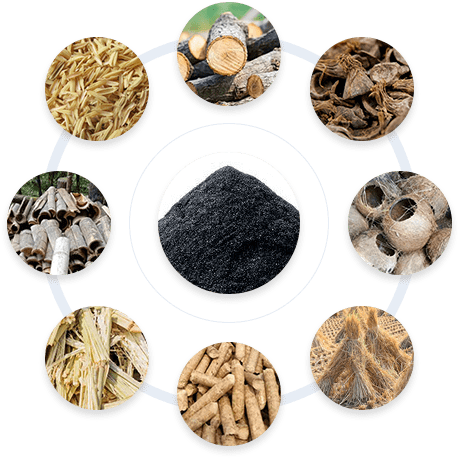
A continuous biomass carbonization plant is an innovative solution for transforming agricultural residues and forestry waste into renewable energy products. By utilizing pyrolysis technology, the plant converts organic materials into biochar, combustible
Agricultural waste recycling has become a critical component of modern environmental management. A biomass continuous carbonization machine transforms crop residues into valuable biochar, providing a sustainable alternative to open burning and landfill di
A continuous biochar production line combining carbonization and pyrolysis technology represents a modern approach to biomass processing. Continuous carbonization equipment functions as the core unit within this system, ensuring stable throughput and cons