Focus on carbon equipment
Focus on carbon equipment


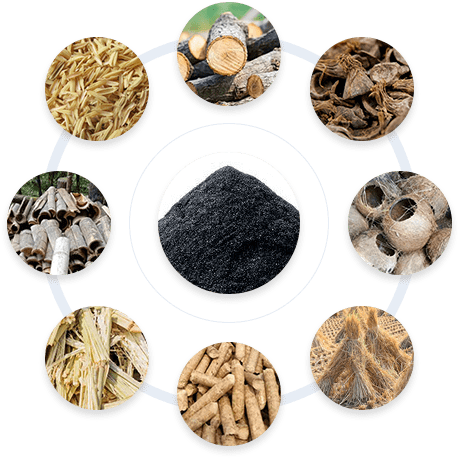
Horizontal carbonization furnace can carbonize various raw materials, such as bamboo, coconut shells, logs and other irregularly shaped and bulky raw materials. It uses the wood gas generated by the raw materials itself for heating, so no need to add any energy, the carbonized flue gas is completely burned, no pollution to the environment, and the preheating is fully utilized.

Compared with the continuous carbonization furnace, the horizontal carbonization furnace has a smaller footprint and lower investment costs, and is more suitable for the needs of small-volume customers.
Dingli horizontal carbonization furnace features:
1. The furnace body is designed as three layers, and the furnace door is equipped with flame-retardant and heat-insulating cotton, which has good air tightness, heat preservation and energy saving, and saves fuel;
2. Equipped with flue gas recovery device to save fuel;
3. Good flue gas purification device realizes smoke-free emission;
4. Kiln car design, labor-saving and easy to operate;
5. Large loading capacity, one-time carbonization;
6. A variety of heating methods, available wood, coal, natural gas;
7. Equipped with water cooling system, the cooling speed is fast and the efficiency is high.
We are delighted to announce that Dingli Group will be participating in the upcoming PalmEX to be held in Jakarta, Indonesia.
A continuous biomass carbonization plant is an innovative solution for transforming agricultural residues and forestry waste into renewable energy products. By utilizing pyrolysis technology, the plant converts organic materials into biochar, combustible
Agricultural waste recycling has become a critical component of modern environmental management. A biomass continuous carbonization machine transforms crop residues into valuable biochar, providing a sustainable alternative to open burning and landfill di
A continuous biochar production line combining carbonization and pyrolysis technology represents a modern approach to biomass processing. Continuous carbonization equipment functions as the core unit within this system, ensuring stable throughput and cons