Focus on carbon equipment
Focus on carbon equipment


Modern coconut shell carbonization machine is not only a production equipment, but also the key to achieve green and low-carbon transformation. Its environmental protection characteristics are reflected in the whole process:
Clean heat source and self-sufficiency: The wood gas (mainly containing CO, H2, CH4, etc.) produced by the carbonization process is a valuable resource. The equipment is equipped with a gas purification system (such as cyclone separation, spray washing, electric coke capture) to efficiently remove tar, dust and acidic components. The purified clean gas is returned to the combustion chamber to provide most of the required heat energy for the carbonization process itself, greatly reducing the consumption of external fuels (such as coal, oil, natural gas), and reducing fossil energy dependence and carbon emissions.

Tail gas meets emission standards: Even if there is a small amount of flue gas generated by the combustion of supplementary fuel, the equipment also integrates a high-efficiency tail gas treatment unit (such as a secondary combustion chamber to ensure full combustion, combined with bag dust removal, activated carbon adsorption or more advanced SCR/SNCR denitrification). After strict treatment, the exhaust gas is ensured to meet the strict national and local environmental protection standards (such as particulate matter, SO2, NOx, dioxins and other indicators), achieving near-zero pollution emissions.
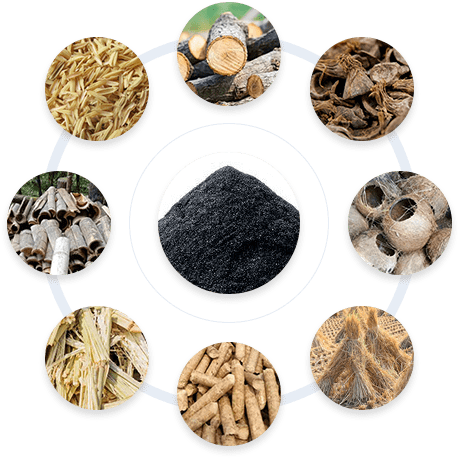
Solid waste source reduction and resource utilization: The equipment directly converts waste coconut shells into high-value coconut shell charcoal to realize the resource utilization of solid waste. Compared with open-air incineration or landfill, it eliminates smoke pollution, soil damage and uncontrolled emissions of greenhouse gases (such as methane) from the source.
By-product resource recovery (optional): Some advanced processes can simultaneously collect condensate (crude wood vinegar) during the purification of wood gas, providing raw materials for subsequent purification and production of high-value-added chemicals (such as acetic acid, fungicides), further extending the resource circulation chain.
Therefore, professional coconut shell carbonization machine is a modern core equipment to promote the environmental protection goals of "turning waste into treasure, clean production, and recycling" for coconut shell waste.
We are delighted to announce that Dingli Group will be participating in the upcoming PalmEX to be held in Jakarta, Indonesia.
A continuous biomass carbonization plant is an innovative solution for transforming agricultural residues and forestry waste into renewable energy products. By utilizing pyrolysis technology, the plant converts organic materials into biochar, combustible
Agricultural waste recycling has become a critical component of modern environmental management. A biomass continuous carbonization machine transforms crop residues into valuable biochar, providing a sustainable alternative to open burning and landfill di
A continuous biochar production line combining carbonization and pyrolysis technology represents a modern approach to biomass processing. Continuous carbonization equipment functions as the core unit within this system, ensuring stable throughput and cons