Focus on carbon equipment
Focus on carbon equipment


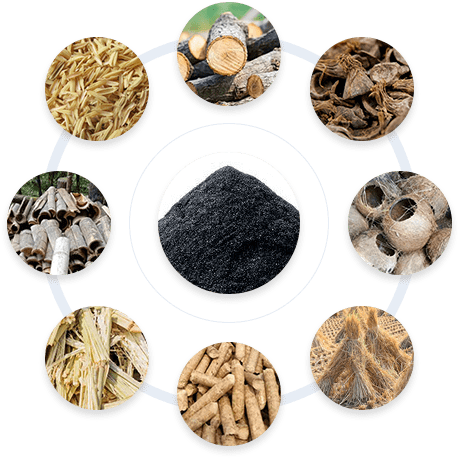
Rice husk carbonization machines are revolutionizing the global utilization of agricultural waste. It's estimated that every ton of rice husk can yield approximately 300 kilograms of high-quality biochar. Its added value as a steelmaking insulation material, activated carbon feedstock, or fuel far exceeds the cost of processing the original waste. More notably, the market value of the byproducts, wood vinegar and tar, continues to rise. Demand for wood vinegar in pesticides and organic fertilizers is surging, while the price advantage of tar as a biodiesel feedstock is becoming increasingly prominent.

Investors can leverage rice husk carbonization machines to develop diverse business models. In major rice-producing areas, they can collaborate with processing plants to establish centralized carbonization centers, provide waste treatment services, and sell charcoal products. In protected agricultural areas, they can combine biochar and wood vinegar into soil improvement packages. In industrial areas, they can supply customized carbon-based materials to steel mills or activated carbon plants. The equipment has an economical transportation radius of 100 kilometers, making it easy to establish a raw material collection network.
With the global advancement of carbon neutrality policies, rice husk carbonization machines are becoming a key vehicle for carbon sink creation. As a stable carbon sequestration medium, biochar can sequester approximately 2.9 tons of CO2 equivalent per ton. Its potential to reduce emissions by replacing fossil fuels or energy-intensive industrial materials (such as silica) is recognized by the international carbon trading market. Investing in rice husk carbonization not only offers product profits but also offers the dual benefits of environmental credit premiums, lending green finance attributes to agricultural waste.
We are delighted to announce that Dingli Group will be participating in the upcoming PalmEX to be held in Jakarta, Indonesia.
A continuous biomass carbonization plant is an innovative solution for transforming agricultural residues and forestry waste into renewable energy products. By utilizing pyrolysis technology, the plant converts organic materials into biochar, combustible
Agricultural waste recycling has become a critical component of modern environmental management. A biomass continuous carbonization machine transforms crop residues into valuable biochar, providing a sustainable alternative to open burning and landfill di
A continuous biochar production line combining carbonization and pyrolysis technology represents a modern approach to biomass processing. Continuous carbonization equipment functions as the core unit within this system, ensuring stable throughput and cons