Focus on carbon equipment
Focus on carbon equipment


The internal structure of the new carbonization furnace;
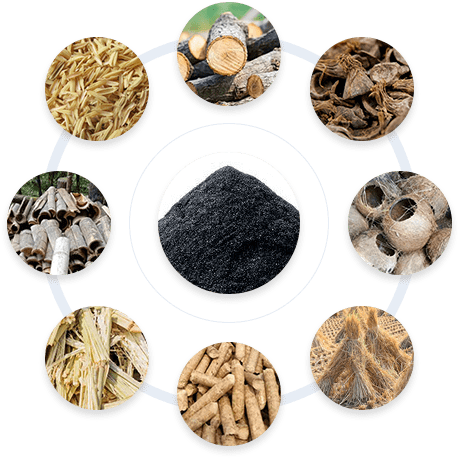
The new retort carbonization furnace adopts a horizontal method, which makes loading and unloading the furnace very convenient. Because the new carbonization furnace consists of an inner tank, insulation layer, furnace door, rail car, combustible gas backburner pipe, dehumidification buffer tank, burner, exhaust pipe, thermometer, etc. The flue gas purification device and vaporizer can be configured separately. Various materials can be carbonized and processed.
There are four steps in total: feeding and sealing the furnace → preheating and drying → anaerobic carbonization → cooling to produce charcoal.

New retort carbonization furnace carbonization workflow;
1; Feeding materials and sealing the furnace: Use a rail car to feed the raw materials into the carbonization furnace, lock the furnace door, and finally seal the furnace.
2. Preheating and drying raw materials: Use wood or other fuel to heat the raw materials in the furnace, and slowly raise the temperature from room temperature to 220-250°C. This process takes 4-6 hours. The specific time depends on the dryness and wetness of the wood and mainly depends on the moisture content, density, diameter, etc. of the raw materials.
3. Anaerobic carbonization: When the temperature in the carbonization furnace rises to the point where a small amount of yellow smoke (hydrogen, oxygen and other volatile substances) is discharged from the smoke pipe, the carbonization process begins. At this time, the combustible flue gas can be recovered and put into the furnace for ignition and adjustment. The amount of combustible smoke inhaled should be kept at around 300-550℃ for 2.0-3.5 hours. After the natural combustion in the furnace stops, the carbonization ends.
4; Cooling and carbon removal: After carbonization is completed, the cooling water valve needs to be opened to cool the inner tank. When the temperature of the inner tank drops below 50°C, the furnace door can be opened to remove carbon.
The exhaust gas of the new carbonization furnace is discharged through the dust collector, which meets environmental protection requirements. It can maximize the use of combustible flue gas to heat the carbonization furnace and reduce fuel consumption.
We are delighted to announce that Dingli Group will be participating in the upcoming PalmEX to be held in Jakarta, Indonesia.
A continuous biomass carbonization plant is an innovative solution for transforming agricultural residues and forestry waste into renewable energy products. By utilizing pyrolysis technology, the plant converts organic materials into biochar, combustible
Agricultural waste recycling has become a critical component of modern environmental management. A biomass continuous carbonization machine transforms crop residues into valuable biochar, providing a sustainable alternative to open burning and landfill di
A continuous biochar production line combining carbonization and pyrolysis technology represents a modern approach to biomass processing. Continuous carbonization equipment functions as the core unit within this system, ensuring stable throughput and cons